edge2trade
Trading definitions, how-tos, and comparisons — with a position size calculator on-site.
What is position sizing?
Position sizing is choosing trade size so a planned stop loses only a predefined risk amount. Learn the definition, purpose, and boundaries.
Getting started
View all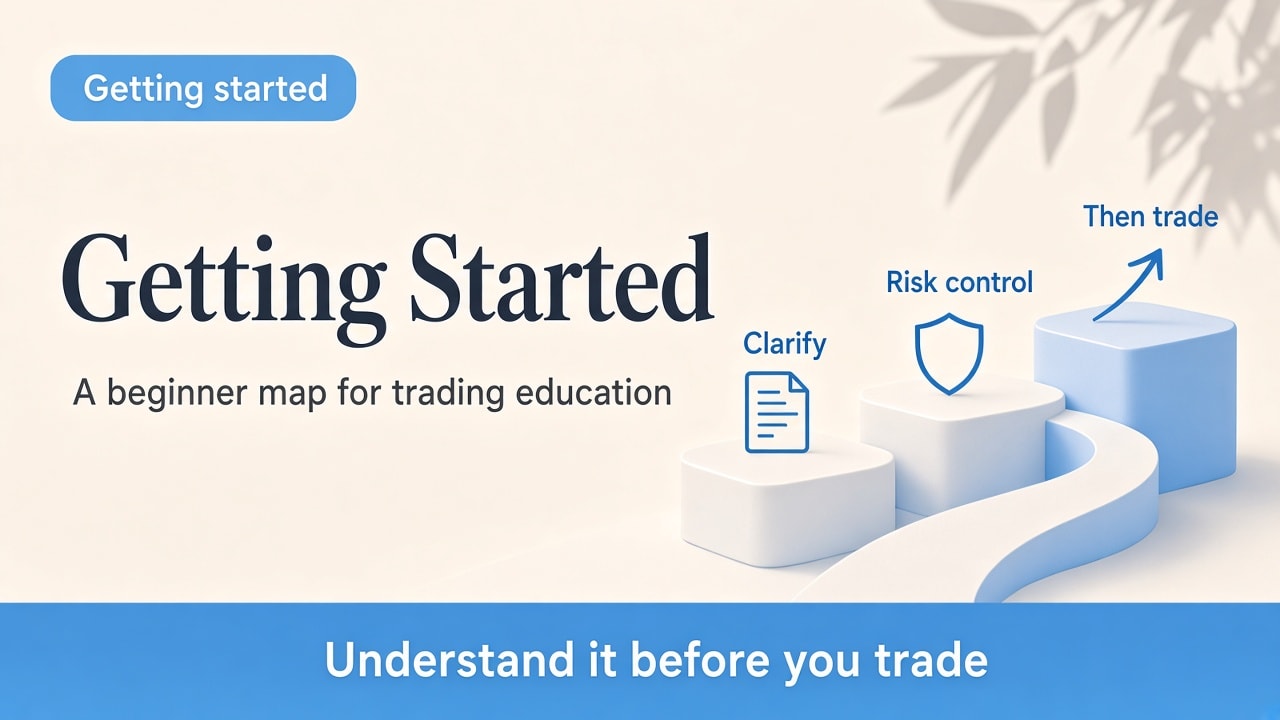
Getting Started
A starter map for people new to trading: can a beginner learn, and how trading differs from investing — then move on to position sizing or trading basics.
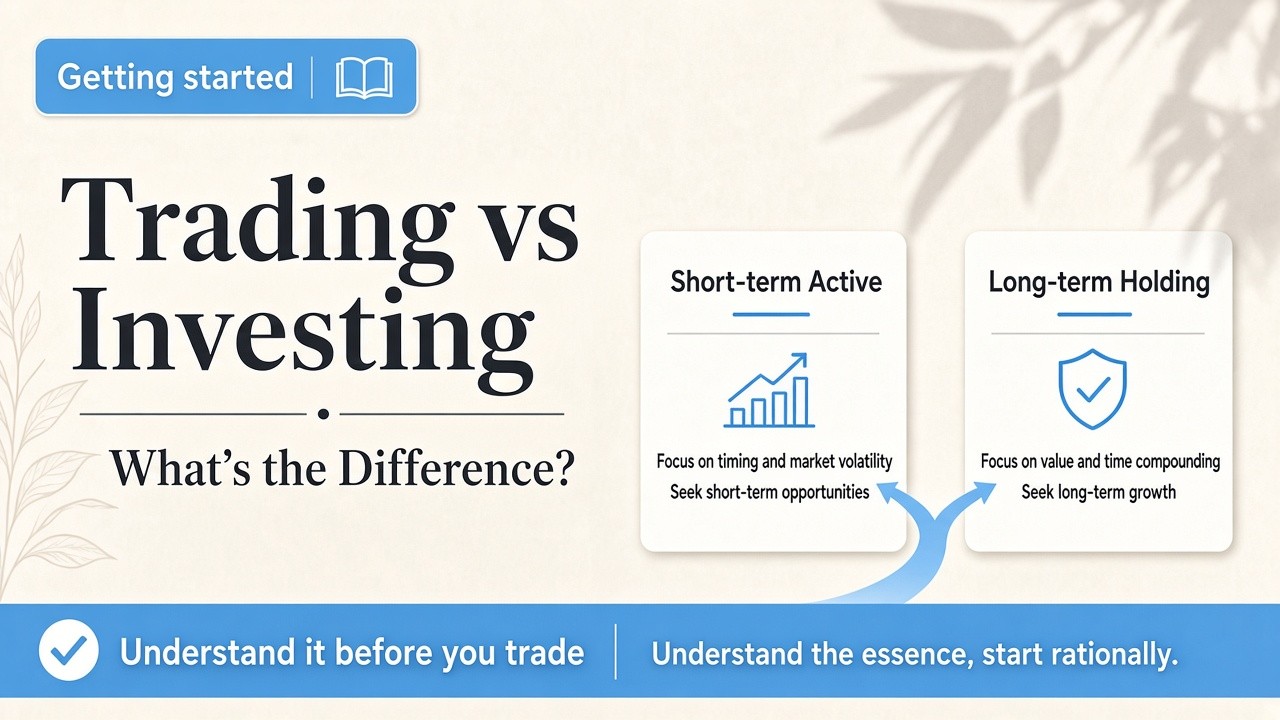
Trading vs Investing: What's the Difference?
How trading and investing usually differ in time horizon, activity, products and ownership, costs, and risk — plus questions to ask before you act. Education only, not financial advice.
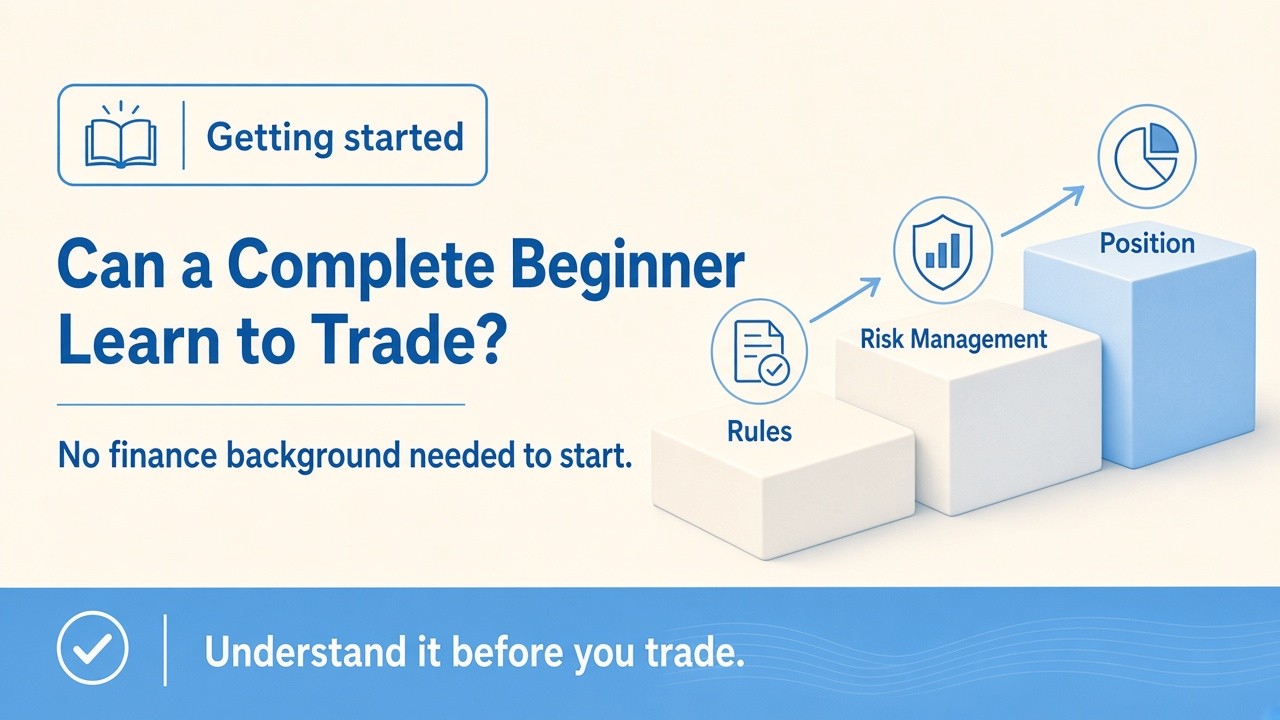
Can a Complete Beginner Learn to Trade?
For people with no finance background: you can start, but put rules, risk, and position size ahead of guessing the next move. Common pitfalls and a practical learning order — no promised profits.
Trading basics
View all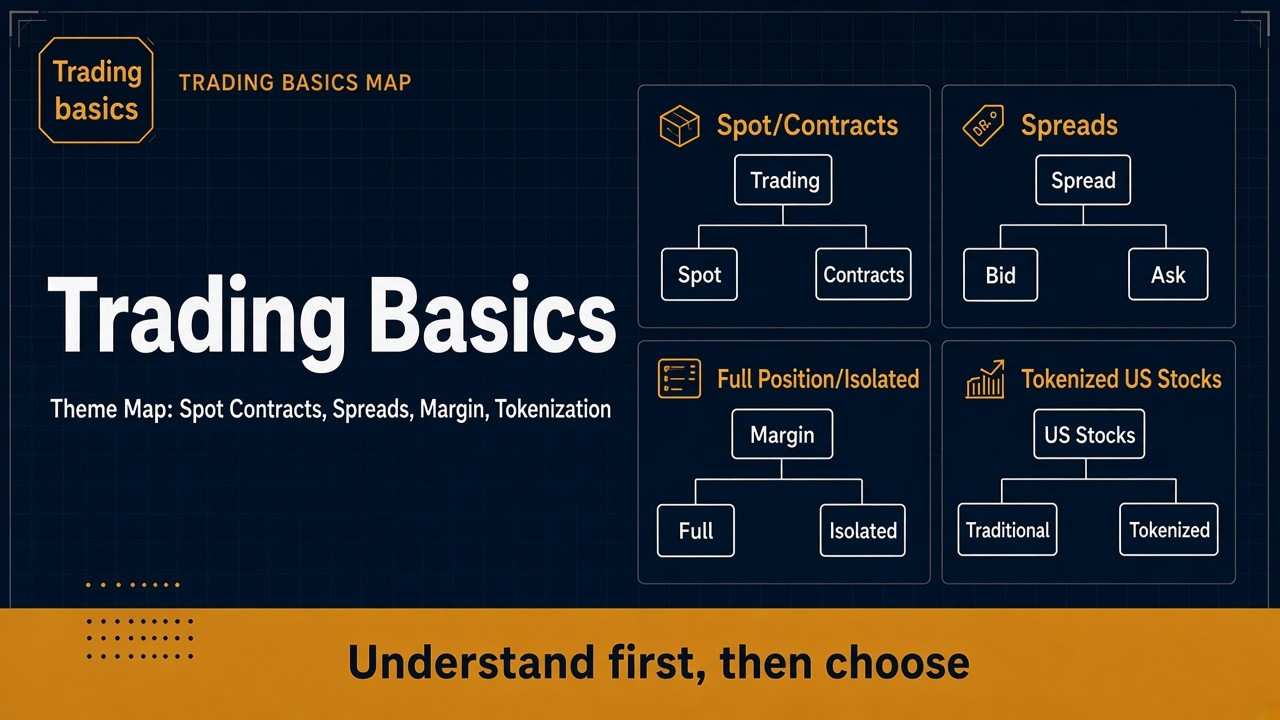
Trading Basics
Topic map for trading basics: spot vs futures, the spread, cross vs isolated margin, and what tokenized US stocks are — understand the mechanism before you order.
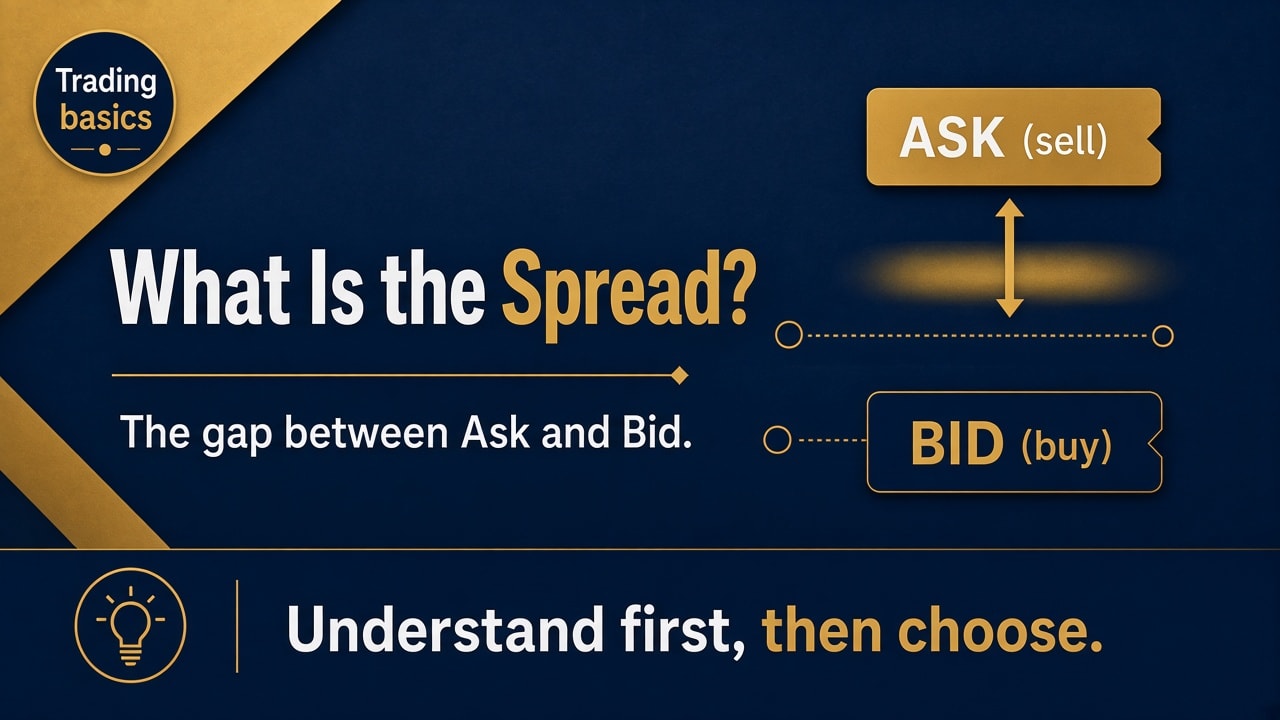
What Is the Spread?
The spread is the gap between Ask and Bid. Why a fresh market buy often shows a small floating loss, fixed vs floating spreads, and what to check before you order. Education only — no promised cost numbers.
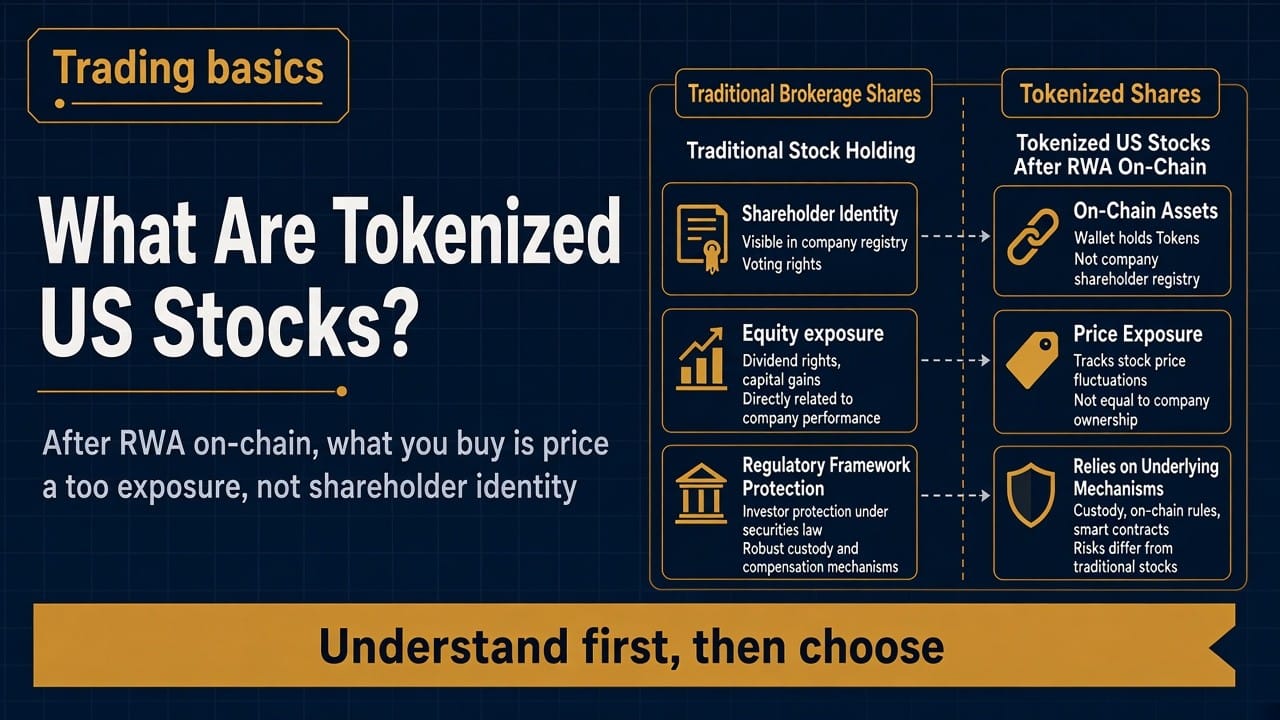
What Are Tokenized US Stocks?
What tokenized US stocks (RWA on-chain stock tokens) usually are: price exposure, not shareholder identity. Contrast with broker shares, CEX spot, and futures — plus region eligibility, off-hours spreads, and issuer risk. Education only, not financial advice.
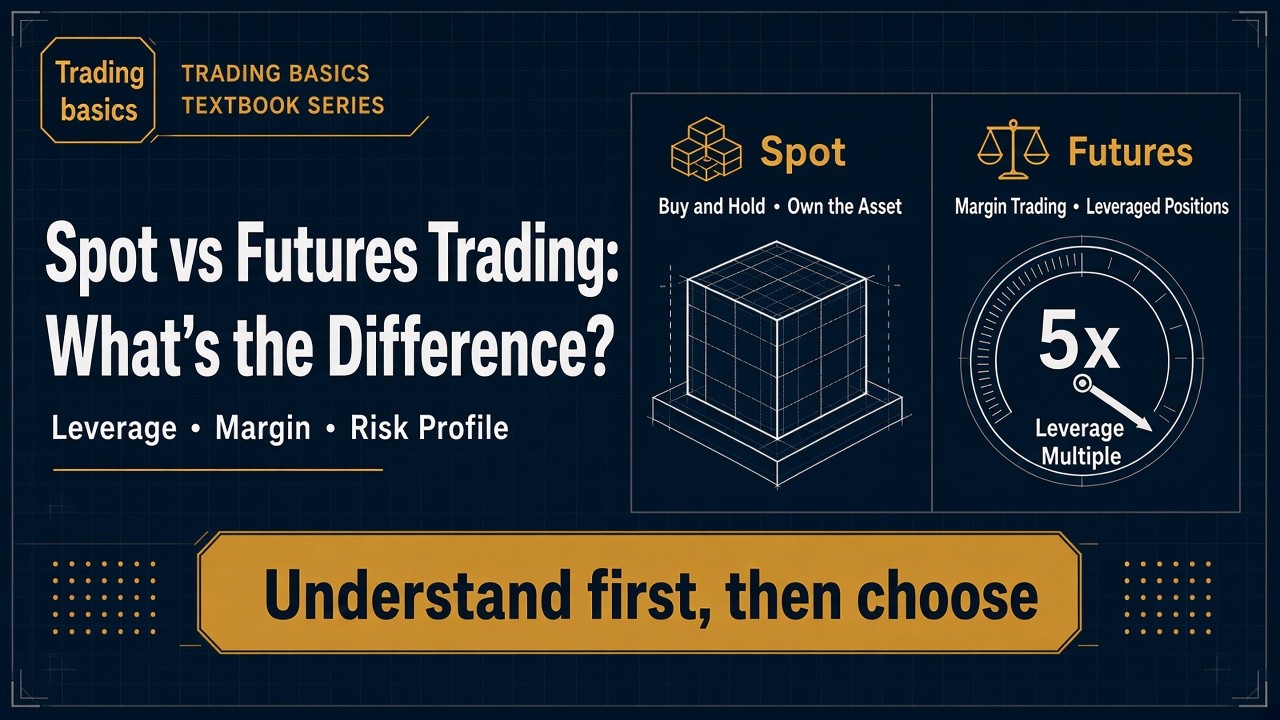
Spot vs Futures Trading: What's the Difference?
How spot and futures/derivatives (including common perpetuals and CFD-style products) differ in what you hold, leverage and margin, loss paths, and holding costs — plus a short self-check before you choose. Education only, not financial advice.
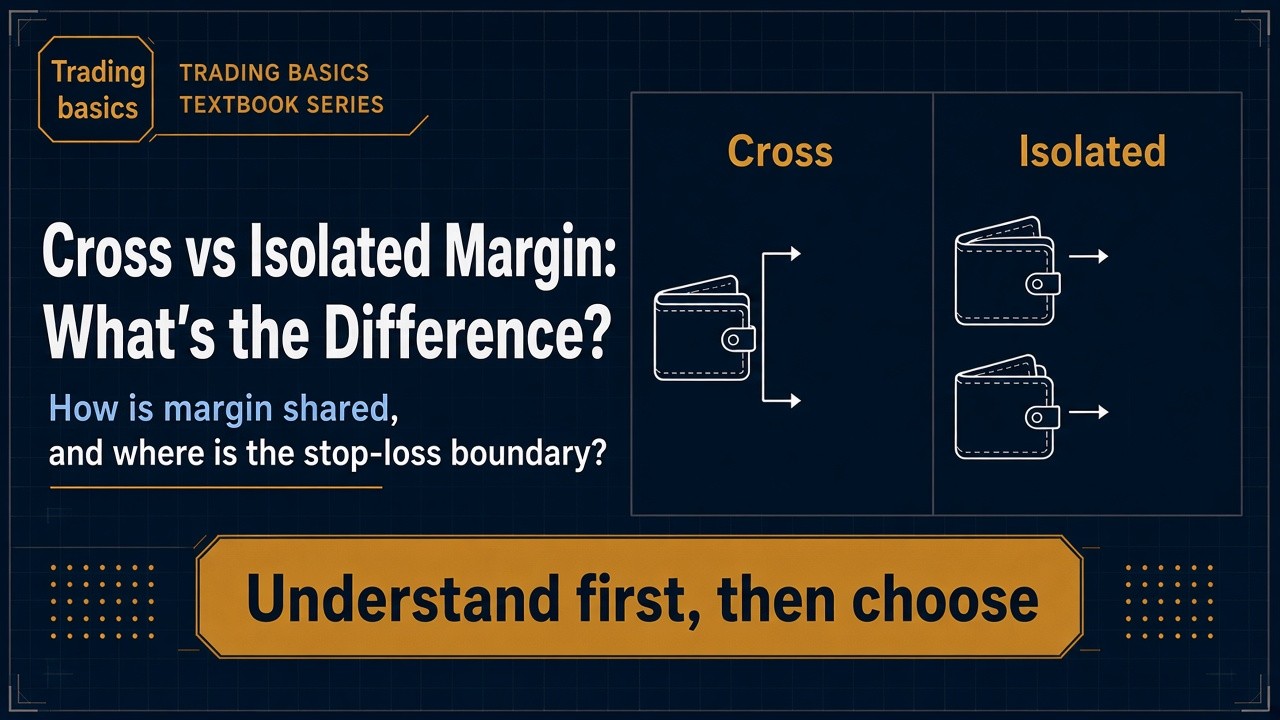
Cross vs Isolated Margin: What's the Difference?
How Cross and Isolated margin modes share collateral, where liquidation losses stop, capital efficiency, and a short self-check before you choose. Education only, not financial advice.
Risk management
View all
Position sizing
Topic map for position sizing: what it is, the core formula, how to calculate size step by step, and how methods compare.
How to calculate position size
Calculate position size from equity, risk percent, entry, and stop. Step-by-step procedure with a verification check so dollar risk matches your budget.
Fixed fractional vs fixed dollar risk
Compare fixed-fractional (percent of equity) and fixed-dollar risk sizing: compounding behavior, drawdown feel, and when to pick each.
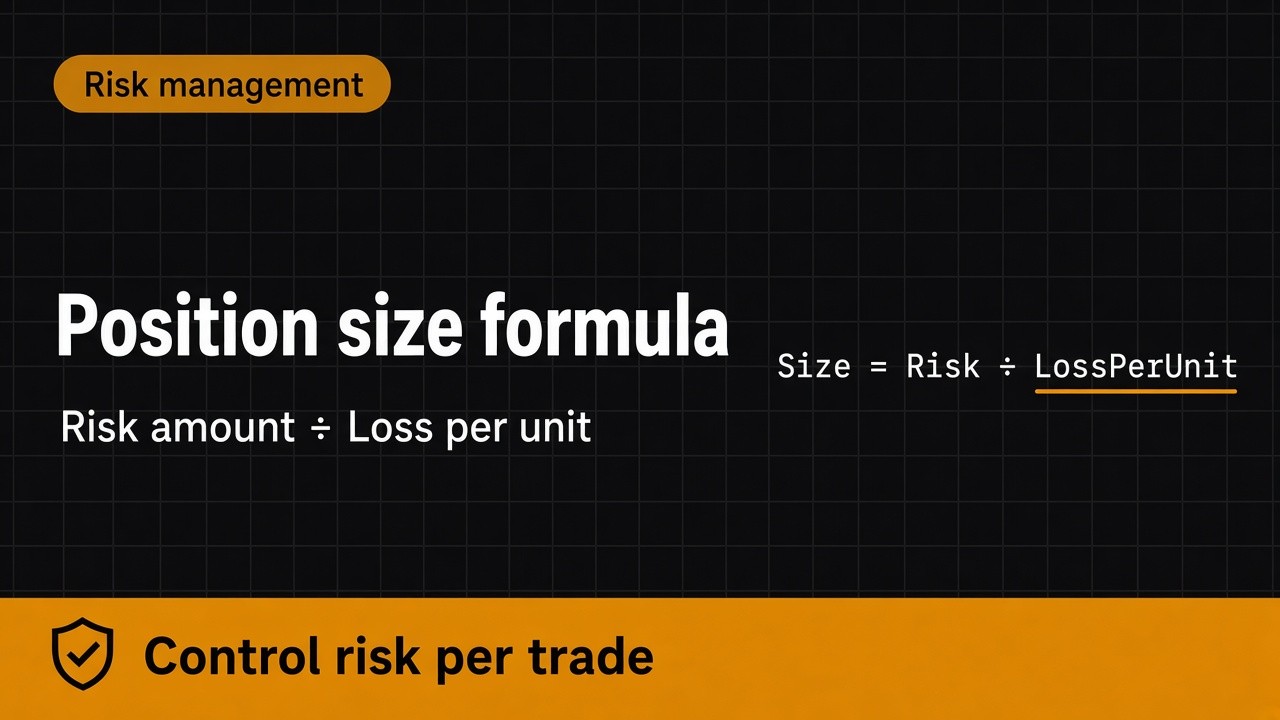
Position size formula
The core risk-based position size formula: size = risk amount ÷ loss per unit. Variables, units, a one-line check, and what this page does not cover.
Exchange guides
View all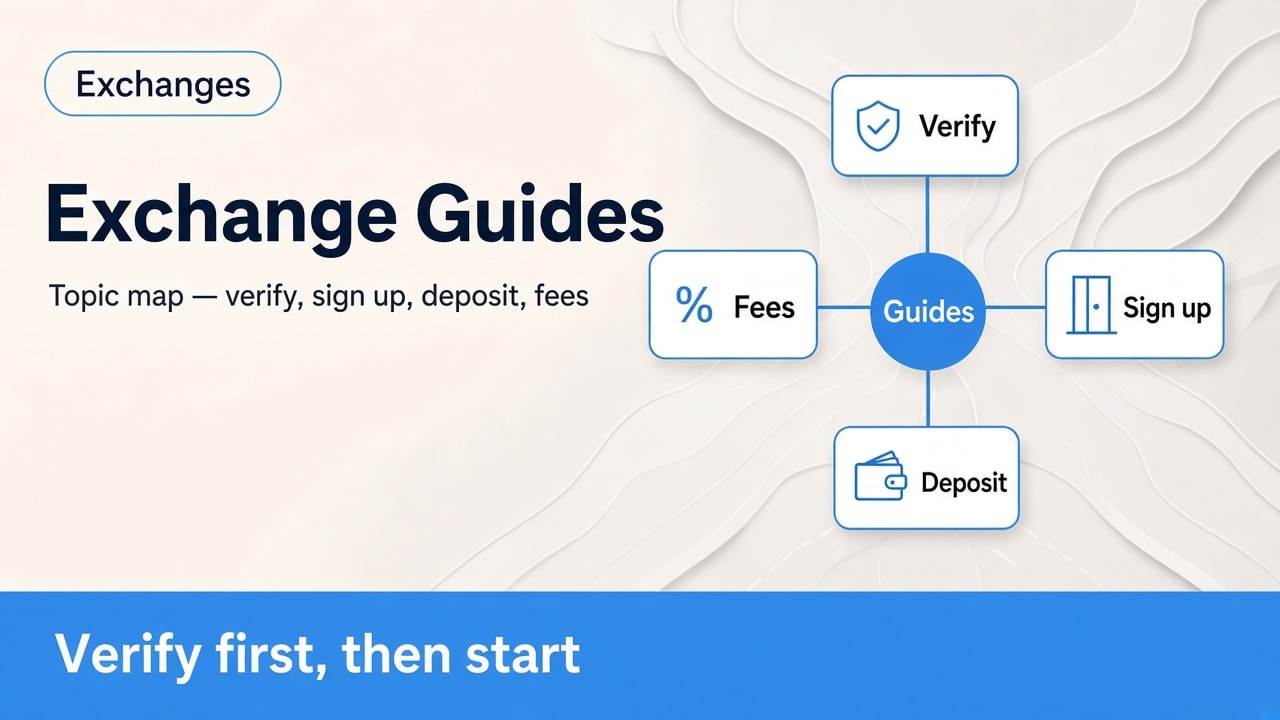
Exchange Guides
Topic map for exchanges: checking a platform is legit, Binance and OKX sign-up / deposit / fees / futures, and tokenized US stock paths. One intent per page; official domains only.
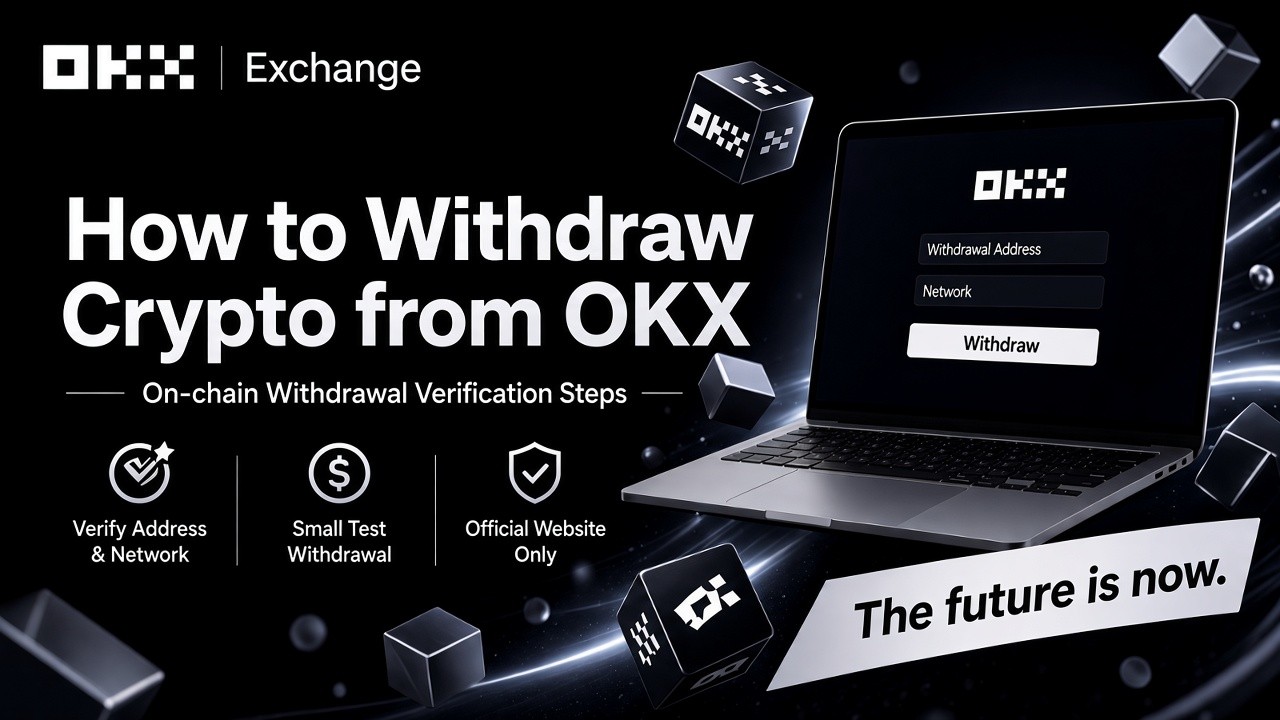
How to Withdraw Crypto from OKX
How to withdraw from OKX: pick asset and network, verify address and memo/tag, read per-withdrawal fees, and know Internal transfer vs on-chain vs P2P fiat exit. Stresses small tests and scam checks; fees follow the live Withdraw page. Availability varies by region.
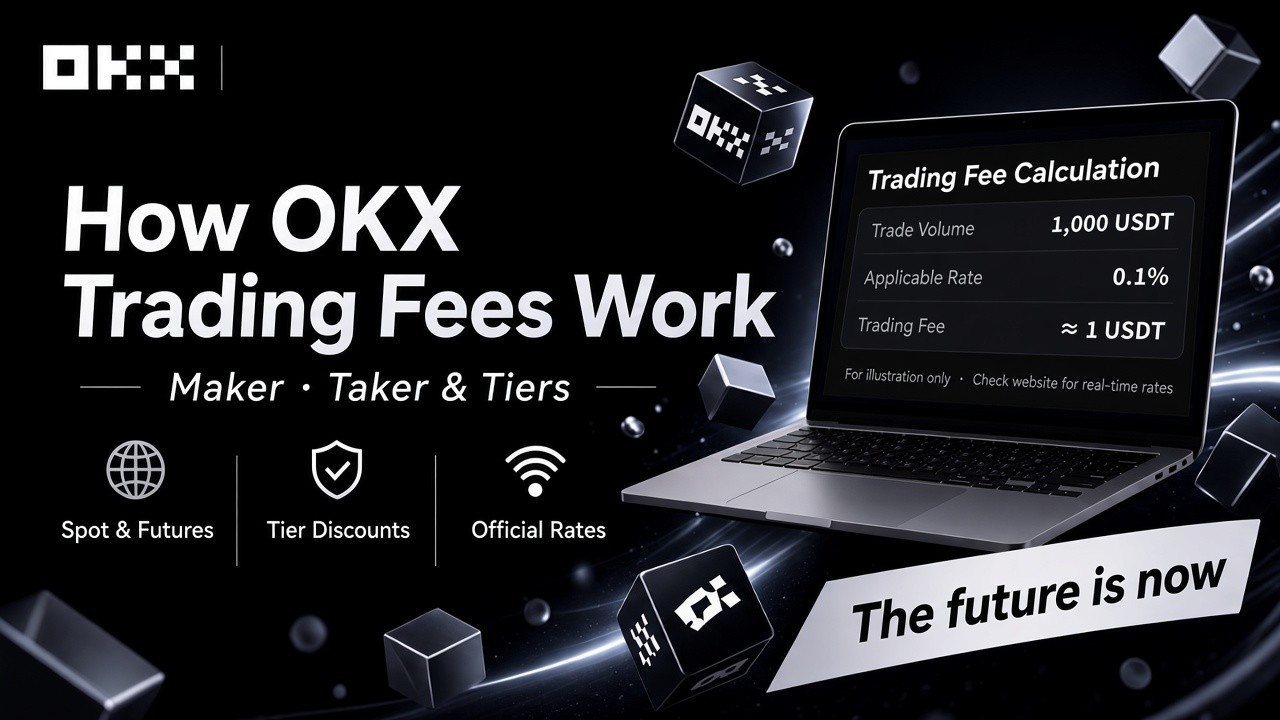
How OKX Trading Fees Work
How to read OKX trading fees: Maker vs Taker, Spot vs Futures, VIP tiers, and where deposit/withdrawal costs show. Example percentages are for scale only — live rates follow the official fee page and My trading fees in your account.
How to Open a Futures Position on OKX
OKX perpetual futures beginner skeleton: transfer margin to Trading, pick a USDT perpetual, set Cross/Isolated and leverage, open long or short, then close with TP/SL. Covers liquidation and funding; no proxy trading or guaranteed profits. Availability varies by region.
How to Sign Up for OKX on the Official Website
Create an OKX account on okx.com or the official desktop client: pick residence, verify email and phone, set a password, optional referral code DQ888. Covers unverified limits, domain checks, and common sign-up failures. Education only.
How to Place a Binance Futures Order
What Binance futures are (USDT-M perpetuals focus) and how to transfer margin, set Cross/Isolated, pick leverage, place an order, and add a stop. Covers liquidation and funding risk; no proxy trading or guaranteed signals.